Not a campaign. Not a company. Neighbors who think Main Street deserves a train. Start in your town
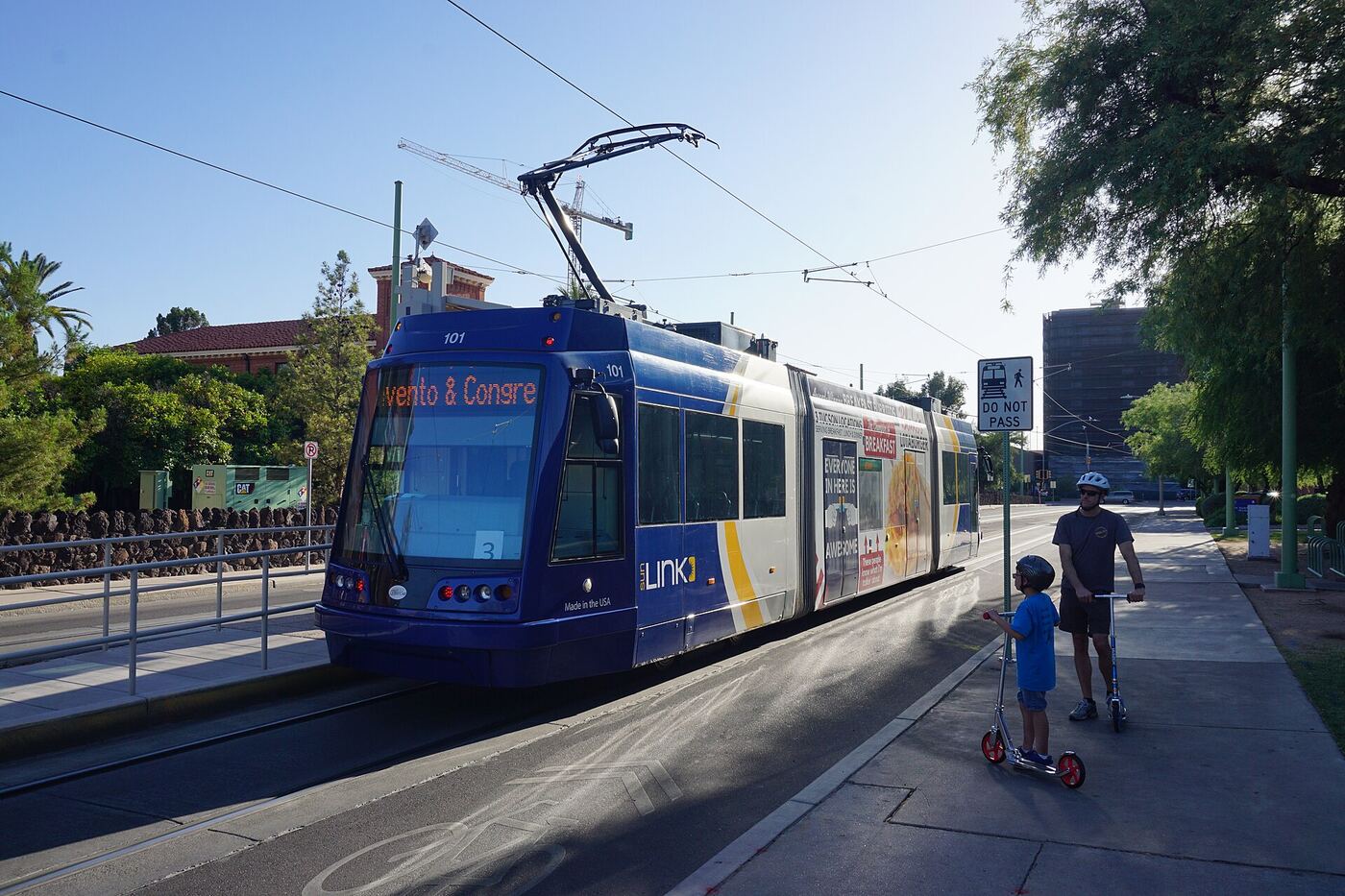
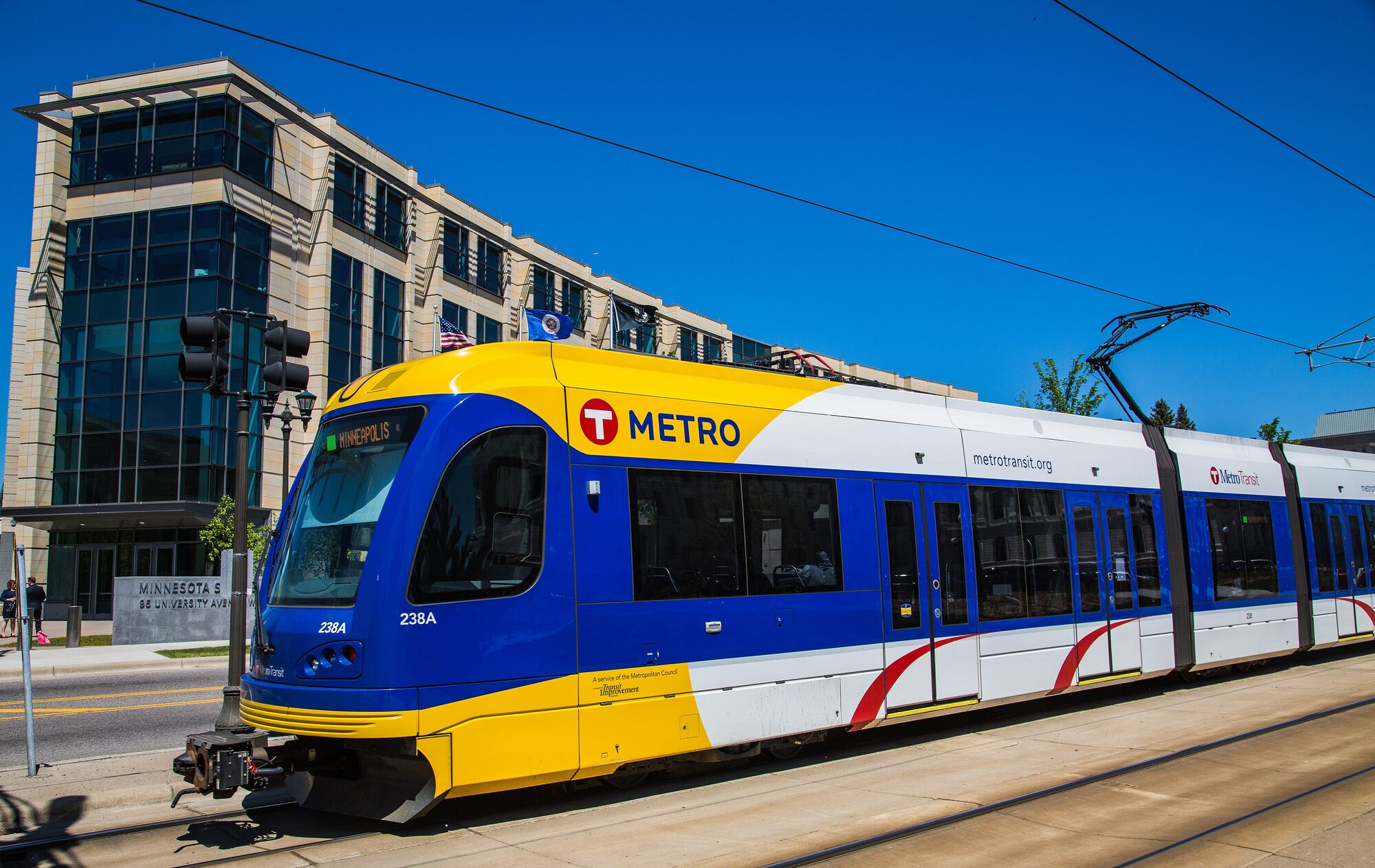
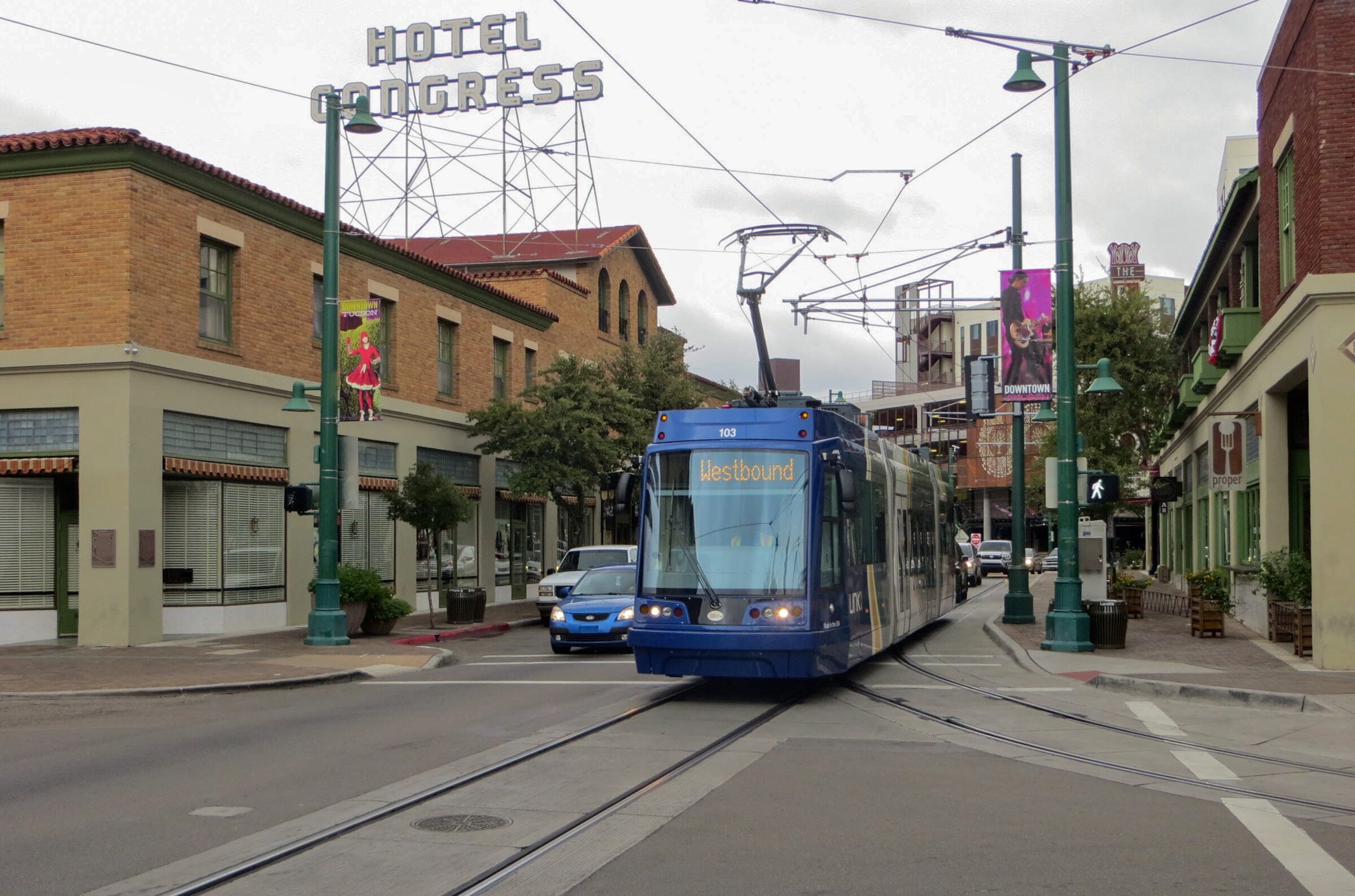
A blue Sun Link streetcar rolls down a two-story Main Street in Tucson, under the old Hotel Congress sign.

Tramform America

It's time to tramform America.

A train down Main Street is the most proven thing a town can do to bring back its downtown, keep seniors and teenagers moving, make the school run safer, and get a family out from under a second car payment. Towns of every size already run one. Yours can be next.

$11,577what one new car now costs its owner every year1
1 in 3Americans can't or don't drive: kids, elders, people who can't afford it13
10×safer per mile on a train than behind the wheel3

Photo: David Wilson, CC BY 2.0

Main Street · Homes · Safety · Money in your pocket · One track runs through all of it.

You see it every day.

Downtown is half parking lotThe square lost its shops to the bypass, and the lots sit empty six days a week.
Grandma handed in her keysNow every doctor's visit, every church service, every errand needs a ride from someone.
The second car paymentTwo jobs, two cars, two insurance bills. It's the raise the family never gets.
Kids can't go anywhere aloneUntil sixteen, the whole town is a ride away. After sixteen, it's a car you have to buy them.
The hospital moved to the highwaySo did the big employers. If you don't drive, you don't work there and you don't get seen there.
The widening didn't workThey added lanes to the loop. Three years later the traffic is worse and the town has less to show for it.

Why trams

What a tram does to a town

A bus route can be cut in next year's budget. A rail line is a promise set in steel, and everyone plans around a promise: families, shop owners, builders, the bank. That permanence is where the magic comes from.

01 — HOMES

Rails bring roofs.

Builders build where the train goes, because the train will still be there in thirty years. Downtown Plano, Texas was a half-empty strip of storefronts in the 1990s. A rail station went in, and apartments, restaurants and a Saturday market followed. More homes near the station means more homes, full stop, and more homes is the only thing that has ever ended a housing shortage.

$20Bof new building within half a mile of Phoenix's line, on a system that cost about $4 billion. The same thing happens, at town scale, around every station that gets built.2

02 — HEALTH

A healthier daily rhythm.

People who ride walk about twenty minutes a day just getting to and from the stop, two thirds of what the doctor keeps telling us to get, built into the trip. Trams are electric, so there's no diesel idling at the curb outside the elementary school, less noise on the block, and cleaner air for the kids waiting at the stop.

20 minof walking per day for the typical American transit rider, measured by the National Household Travel Survey.5

03 — SAFETY

Fewer cars, fewer funerals.

About 39,000 Americans died on our roads in 2024, and rural roads carry more than their share. Mile for mile, a trip by train is roughly ten times safer than a trip by car. A tram runs on fixed rails at predictable speeds, and a street with a tram is a street designed for people. Every household that can leave a car at home is one less car in the school pickup line.

~39,000lives lost on U.S. roads in 2024. That's a full football stadium, every single year.6

04 — MONEY IN YOUR POCKET

The raise you give yourself.

Getting around is the second-biggest bill in the American household, right after the roof. A family that can go from two cars to one keeps most of a car payment, an insurance bill, a gas bill and a repair bill every month. That's the cost-of-living fight, on the one front where a town actually has the power to do something.

$13,000a year is what a household saves by swapping one car for transit, by the American Public Transportation Association's count.7

And it keeps going

The list doesn't stop there.

Main Street comes back

People on foot stop, browse and spend. A stop on the square delivers hundreds of them an hour to a shopkeeper's door, with no parking lot required.

Freedom for everyone

Teenagers, grandparents, folks with disabilities, folks who just can't afford a car. About a third of Americans don't drive. A tram gives every one of them the town back.

Clean air, quiet streets

Electric from day one, on a grid that gets cleaner every year. No exhaust, no engine roar. Just the bell.

Jobs and tax base

Phoenix counted 35,000 jobs within half a mile of its line in the first decade. New buildings mean new revenue for the schools and the fire department, without raising anyone's rate.

One train, 300 cars

A single two-car train carries about 400 people, the load of more than 300 cars, with one operator and no traffic jam.

Homes worth more, bills worth less

Study after study finds homes near a station gain roughly 4 to 8 percent in value after a line opens, while their owners spend far less getting around.

Picture it in your town

We're not asking for something new. We're asking for what your grandparents had.

Take a town of sixty thousand on I-35 between Waco and Austin. There's a courthouse square with the good brick buildings, a college on one side, the hospital and the big-box stores out by the highway, and new subdivisions filling in everything between.

Now put a tram down the main road. The square to the college to the hospital to the highway, one line, a train every ten minutes. The college kid gets to a job at the hospital without a car. Grandma gets to the square on Saturday and to church on Sunday without asking anyone. The lots around the stops turn into apartments over shops, and the town collects taxes on buildings instead of asphalt. The second car goes on Marketplace.

None of that is new. Before 1930, a Texas town that size had a streetcar, a depot on the square, and a Main Street you could walk end to end. Waco had an interurban to Dallas. The car didn't replace something that failed. It replaced something that worked, and we've spent seventy years and a lot of money trying to get the same freedom back out of a parking lot.

Common-sense, compact towns are not a European idea. They're the American default. We just stopped building them.
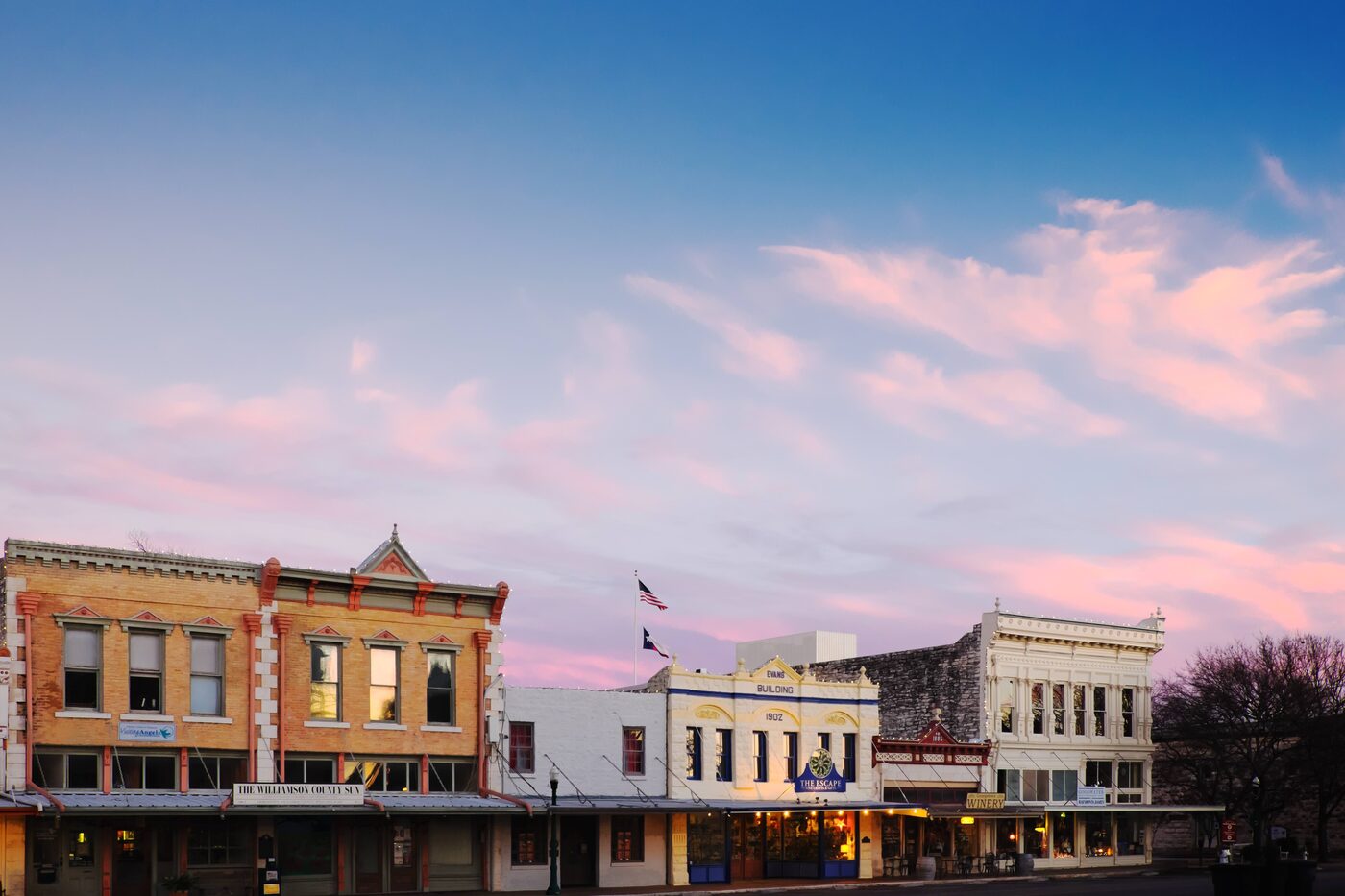
Two-story brick storefronts glow at dusk on the courthouse square in Georgetown, Texas.
The square, Georgetown, Texas LaCour · CC BY-SA 4.0
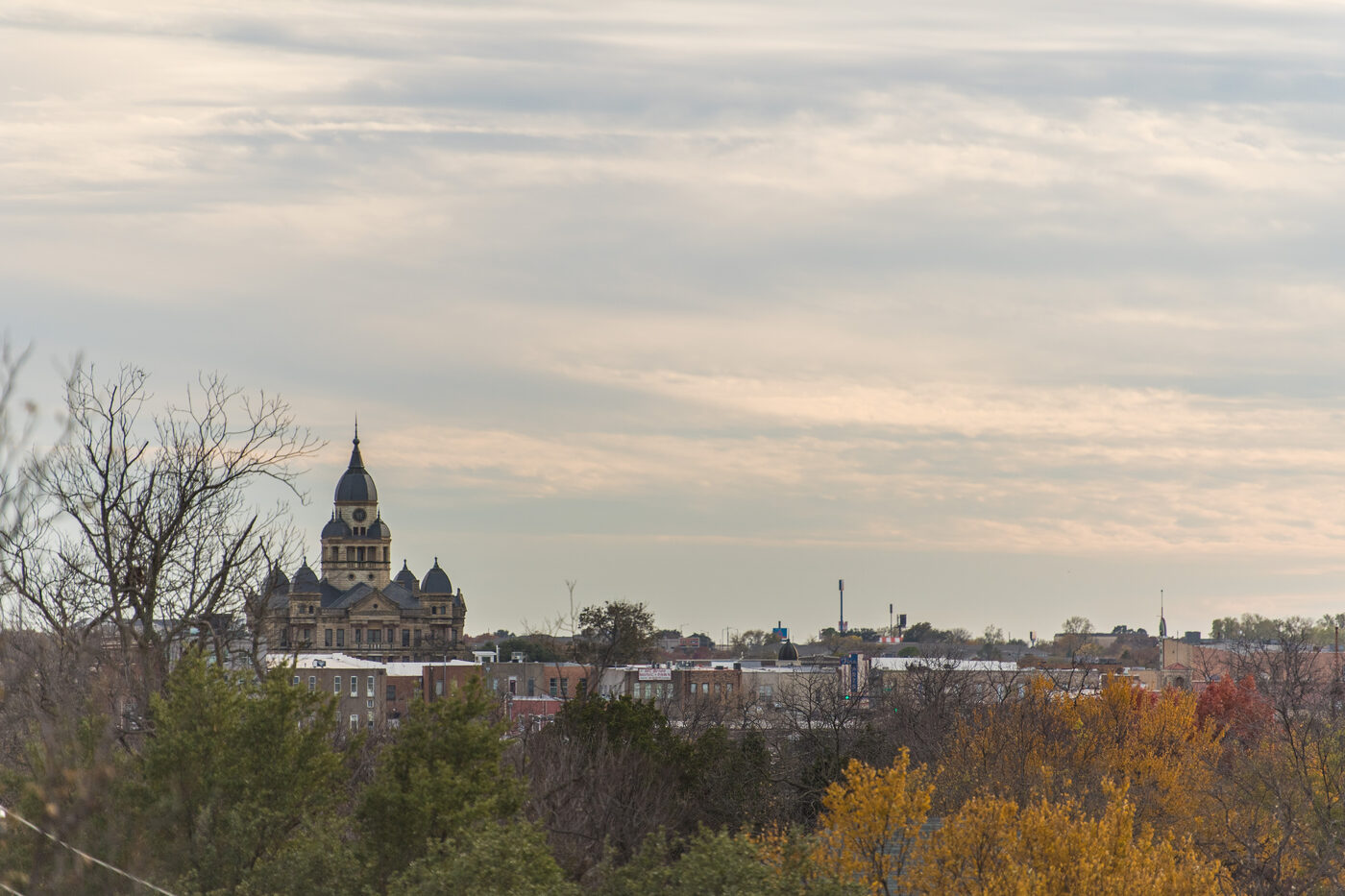
The dome of the Denton County courthouse rises over autumn trees in Denton, Texas.
Courthouse on the square, Denton, Texas Michael Modecki · CC BY-SA 4.0

The numbers

This isn't a vibe. It's arithmetic.

Every figure below comes from a government agency, a transit authority or peer-reviewed research. Sources are at the bottom of the page. Take them to your next council meeting.

$11,577

Average yearly cost of owning and driving a new car in America.

AAA, Your Driving Costs 2025 [1]
$20.1B

Public and private building within half a mile of Phoenix's light rail: 583 projects on a system that cost about $4 billion.

Valley Metro [2]
10×

Riding transit is about ten times safer per mile than riding in a car.

APTA [3]
17%

Share of everything a household spends that goes to getting around, second only to housing.

U.S. Bureau of Labor Statistics, 2024 [8]
$5.8B

Building along the Twin Cities' Green Line, which cost under $1 billion, half of it paid by federal grants.

Metropolitan Council [9]
400

Riders on a single two-car train. More than 300 cars' worth of people, with one driver.

Sound Transit [10]

Two ways to spend a few billion dollars

We've tried the other thing. For seventy years.

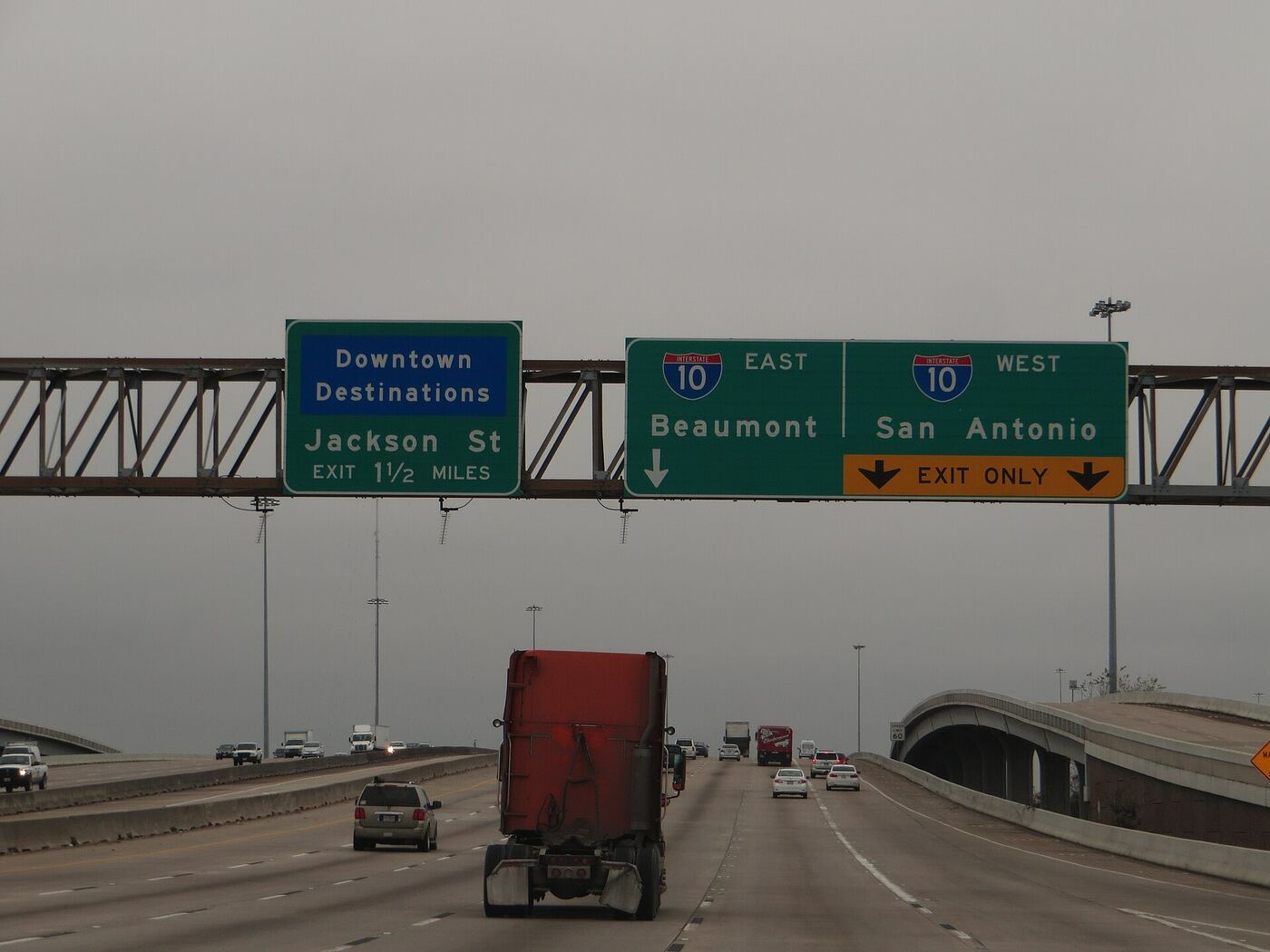
Houston widened the Katy Freeway to as many as 26 lanes. Within a few years, the drive was slower than before. That's not a Houston problem; it's what widenings do, from the loop around your town on up. Rail is the one transportation investment that builds a neighborhood around itself.

Trucks and cars crawl under a tangle of overhead signs at a Houston freeway interchange on a hazy day. Ken Lund · CC BY-SA 2.0
The status quo

More lanes, more traffic, less town.

Widenings fill up with new driving within years, flatten the neighborhoods they cut through, and leave nothing you can live in, shop at or walk to.

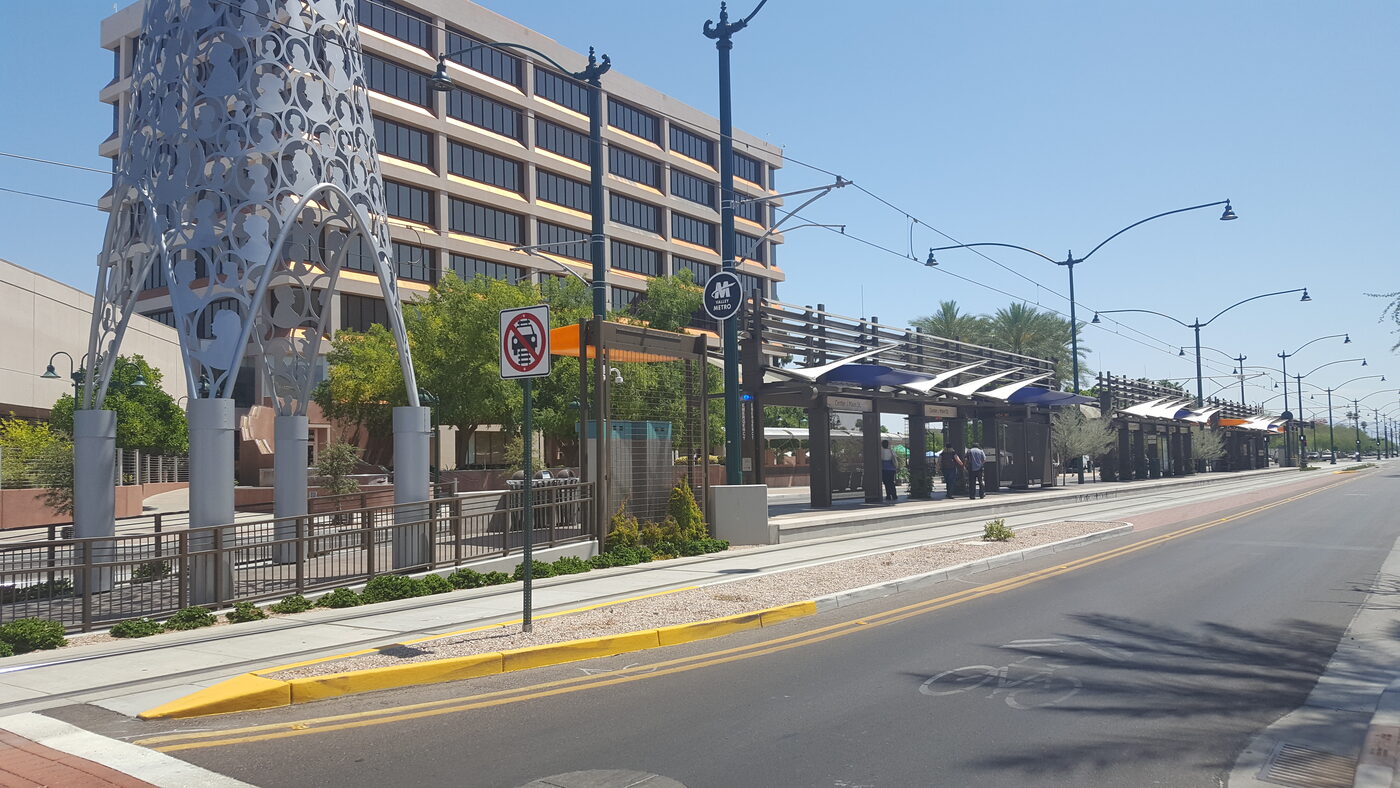
A light rail stop on Main Street in downtown Mesa, Arizona, with shade structures and new buildings beside the tracks. Gonzo fan2007 · CC BY-SA 4.0
The tramformed way

A Main Street that builds itself.

Mesa, Arizona ran the train straight down its old downtown Main Street. The empty storefronts filled and a college campus moved in next to the stop.

A hundred years of the next big thing

What we tried instead.

Every decade since the car arrived, somebody has had a better idea than the streetcar. Here is how those ideas went.

Each one was sold as the thing that would make the train unnecessary. None of them changed the arithmetic: a freeway lane moves a couple of thousand people an hour, a rail track moves several times that, and a town only has so much room between the courthouse and the river. The compact, walkable town was never a European import. It was the American default, and the electric streetcar that built it has been in the catalog since Richmond, Virginia, 1888.23

So when the next miracle comes around, ask what it does for the nurse on the night shift and the widow who can't renew her license. If the answer is nothing, it isn't transportation. It's a demo.

  1. 1920s–50sTowns pulled up the streetcars that had built them. Los Angeles had the largest electric railway system in the world, more than a thousand miles of it, and lost nearly all of it. A holding company backed by a carmaker, a tire maker and an oil company bought up streetcar lines in dozens of cities and replaced them with buses; a federal jury convicted it in 1949 of conspiring to monopolize bus sales. Historians still argue over how much was conspiracy and how much was policy. The rails came up either way. The interurban from Waco to Dallas ran its last car on New Year's Eve, 1948.19
  2. 1956The Interstates arrived with a bypass for every town. Main Street moved to the exit ramp, and the square got a parking problem.15
  3. 1950s–60sNearly every zoning code in the country began requiring parking with every building. Downtown blocks came down for surface lots to meet the rule.20
  4. 2008–11Houston widened the Katy Freeway to as many as 26 lanes. Within a few years the commute was slower than before.11
  5. 2013A vacuum-tube train was announced as a cheaper alternative to California's high-speed rail. The rail line is under construction. The tube has carried no one.21
  6. 2021A tunnel opened under Las Vegas in which cars, each with a driver, carry a few passengers at a time.22
  7. 2026A two-seat sports car was lifted into the air over a Texas field and called a flying car.24

Paying for it

The debt isn't the excuse. It never was.

America built its best things on borrowed money with a plan to pay it back. The national balance sheet is a reason to spend on things that return the money, not a reason to spend it only on lanes that don't.

  1. 1930Golden Gate BridgeVoters in six counties put their homes and farms up as collateral for $35 million of bonds, in the middle of the Depression. Tolls paid the last bond off in 1971.14
  2. 1956The InterstatesPaid out of a dedicated trust fund fed by the gas tax, not the general budget. Forty-seven thousand miles of it.15
  3. 1962BARTThree Bay Area counties voted a $792 million bond for a railroad that existed only on paper, and rode it ten years later.16
  4. 1983DART, DallasThirteen cities and suburbs voted a one-cent sales tax on themselves. It built the longest light rail network in the country, through Plano, Garland, Irving and Carrollton.17
  5. 2004FasTracks, DenverVoters across the metro approved a 0.4-cent sales tax for 120 miles of rail. Lines opened to Arvada, Aurora, Lakewood and the airport.18
  6. Every yearYour townTexas towns vote bonds for high-school stadiums, water plants and highway loops every November. The machinery for this already exists at the county clerk's office.

1. Fares plus a measure

A line pays its running costs from fares and a small, voter-approved sales tax or transit district, the way DART and Denver do. That revenue is what a bond is borrowed against.

2. The land pays for the rails

Stations raise the value of the blocks around them. Tax increment financing captures the growth in that value to repay the bond, without touching the property tax rate. Denver's Union Station was rebuilt that way.12

3. Washington pays about half

The federal Capital Investment Grants program exists for exactly this and has covered up to half the cost of lines like the Twin Cities' Green Line.9 Small-town lines qualify as "Small Starts."

The honest part: a bond is a loan, and a loan needs income behind it. That's why the ask is never "build a train." It's "put a train and the half-cent that runs it on the same ballot." Towns that do both get the line. Towns that only vote for the first half get a study.

At the microphone

Six things you'll hear at the council meeting.

And what to say back, short enough to fit in your three minutes.

They'll say: "My property tax rate will go up."

It doesn't have to, and in plenty of places it hasn't. With tax increment financing, the rate stays where it is. The line is paid for out of the growth in value it creates along the corridor, growth that wouldn't exist without it. Denver used it to rebuild Union Station and pay the loans back early.12

On top of that, the federal Capital Investment Grants program has covered up to half the cost of light rail lines like the Twin Cities' Green Line.9

They'll say: "Nobody will ride it."

People ride what's frequent and goes where they're going. Phoenix, a place built entirely around the car, went from zero to tens of thousands of daily riders. Lines fail when they're slow, short and infrequent, and succeed when towns give them their own lane, priority at the lights and a train every ten minutes or better. That's what we advocate for: light rail done right.

They'll say: "Just run more buses. They're cheaper."

We should run more buses too. But a bus route can disappear in a single budget cycle, so nobody builds apartments next to one. A tram is permanent, and permanence is what unlocks the homes, the shops and the tax base. A train also carries three to four buses' worth of riders with one operator, so on the busy road through town the cost per rider actually falls.

They'll say: "We're too small and too spread out for a train."

Kenosha, Wisconsin has a streetcar and a hundred thousand people. Little Rock, Tempe, Tucson and El Paso run them. Phoenix, Dallas, Houston, Denver and Salt Lake are among the most spread-out metros on Earth, and every one runs light rail through suburbs that look like your town. The tram doesn't need density to exist. It creates density, one stop at a time, exactly where the town wants it.

They'll say: "It's too expensive."

Compared to what? A single highway interchange can cost as much as several miles of track, generates no development, and is full again in a few years. Phoenix spent about $4 billion on its system and counted $20 billion in new building beside it. The Twin Cities spent under $1 billion on the Green Line and saw almost $6 billion built along it. Ask the people who say it's too expensive what the loop road returned.

They'll say: "Streetcars flopped in other towns."

Some did, and for predictable reasons: a short loop, stuck in car traffic, a train every twenty minutes. A tram that's slower than walking is a tourist ride, not transit. The fix is known and boring: its own lane, priority at the lights, real frequency, and a route that connects where people live to where they work and shop. Build it like that and it fills up.

Already tramformed

This isn't a big-city thing.

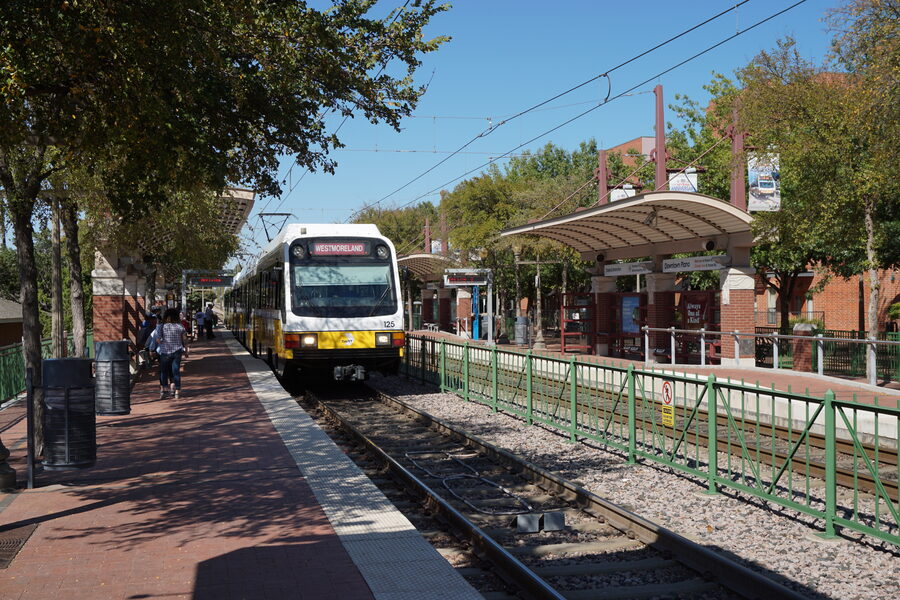
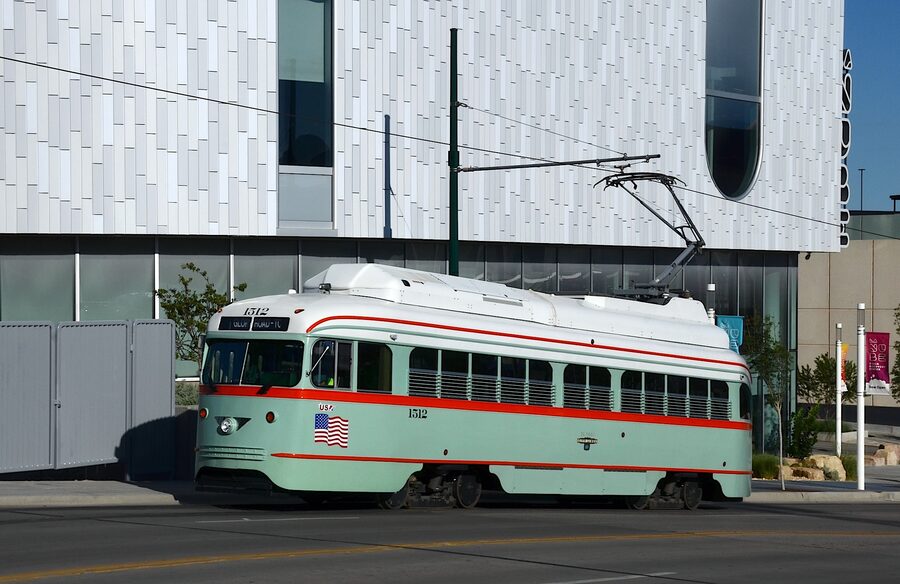
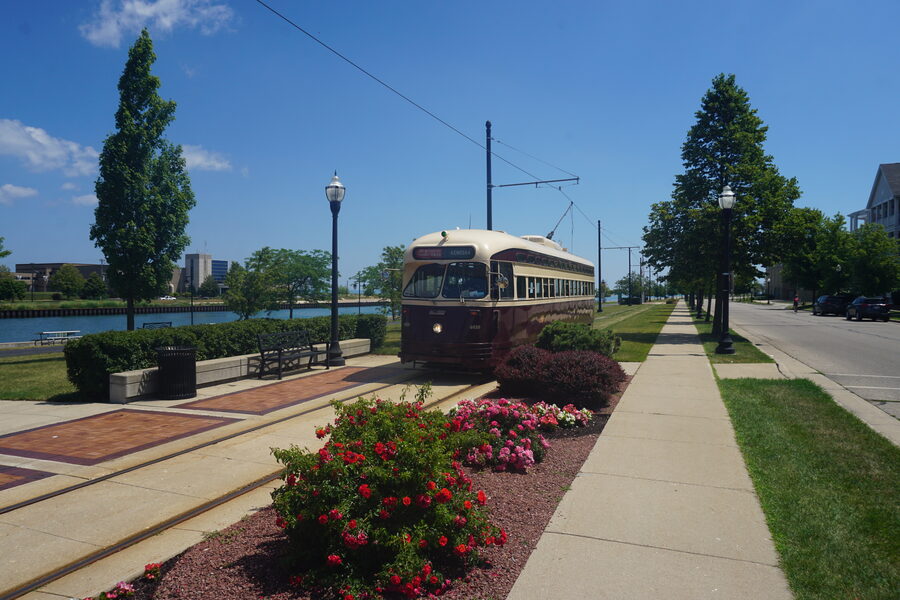
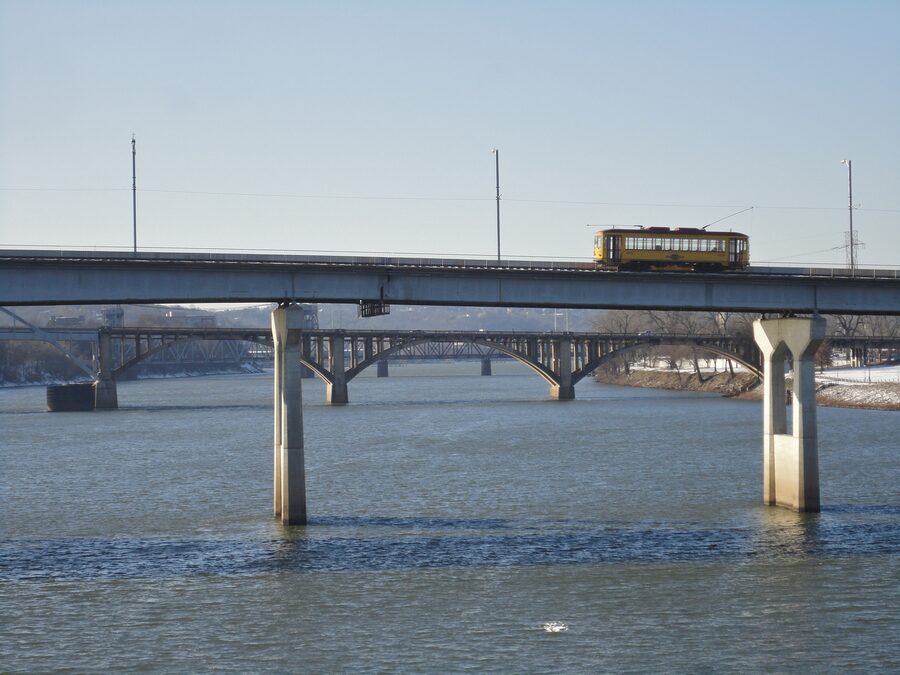
Kenosha, Little Rock, El Paso, Plano, Norfolk, Tempe, Tucson: dozens of American towns and suburbs run light rail or a modern streetcar today. Hover to pause.

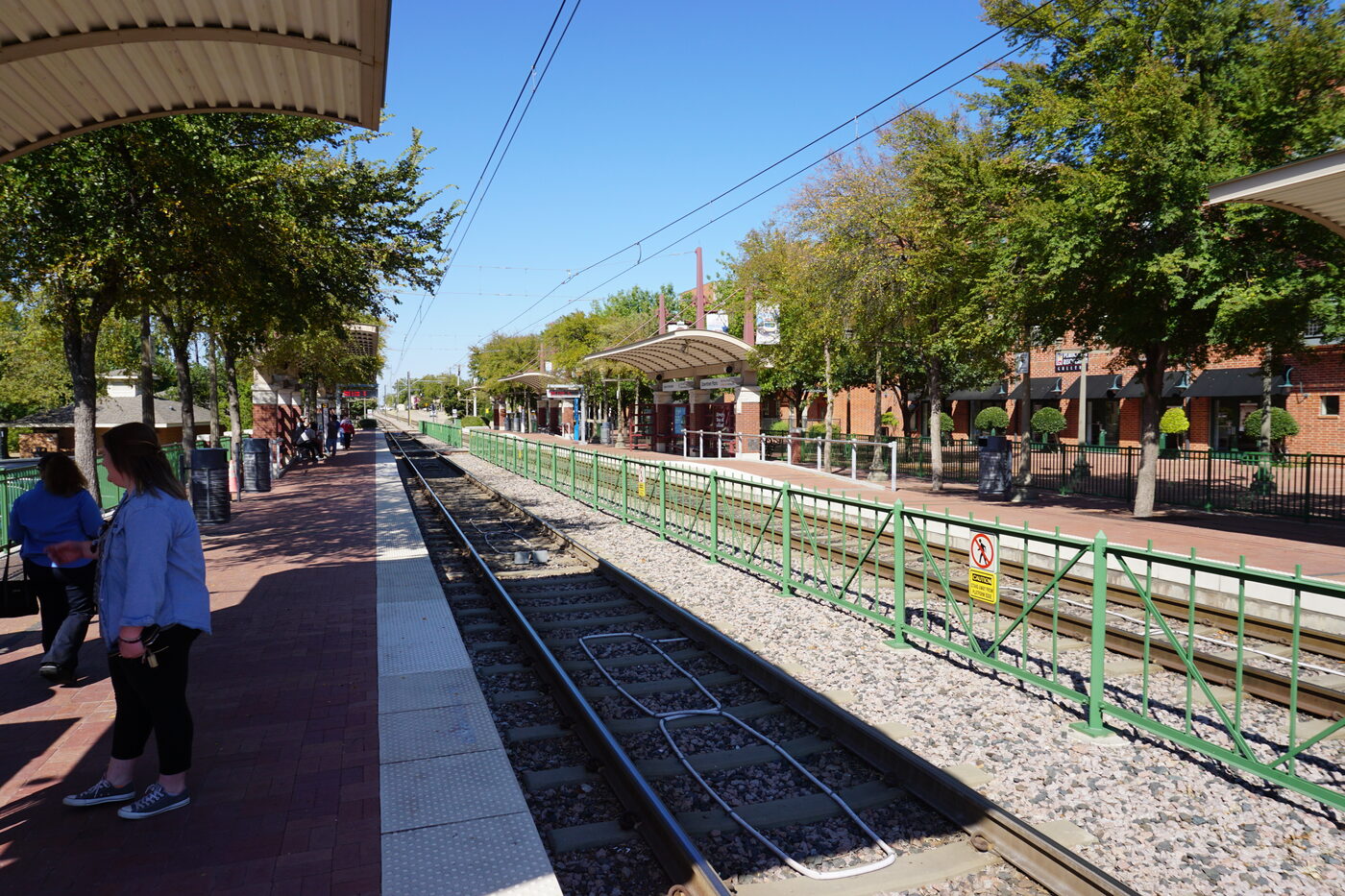
A DART train at the Downtown Plano station.
Plano, TX Michael Barera · CC BY-SA 4.0
A restored mint-green El Paso streetcar on Santa Fe Street.
El Paso, TX Steve Morgan · CC BY-SA 4.0
A vintage streetcar beside a flower bed on the Kenosha lakefront.
Kenosha, WI Michael Barera · CC BY-SA 4.0
A River Rail streetcar crosses the Arkansas River bridge in Little Rock.
Little Rock, AR Paul Sableman · CC BY 2.0
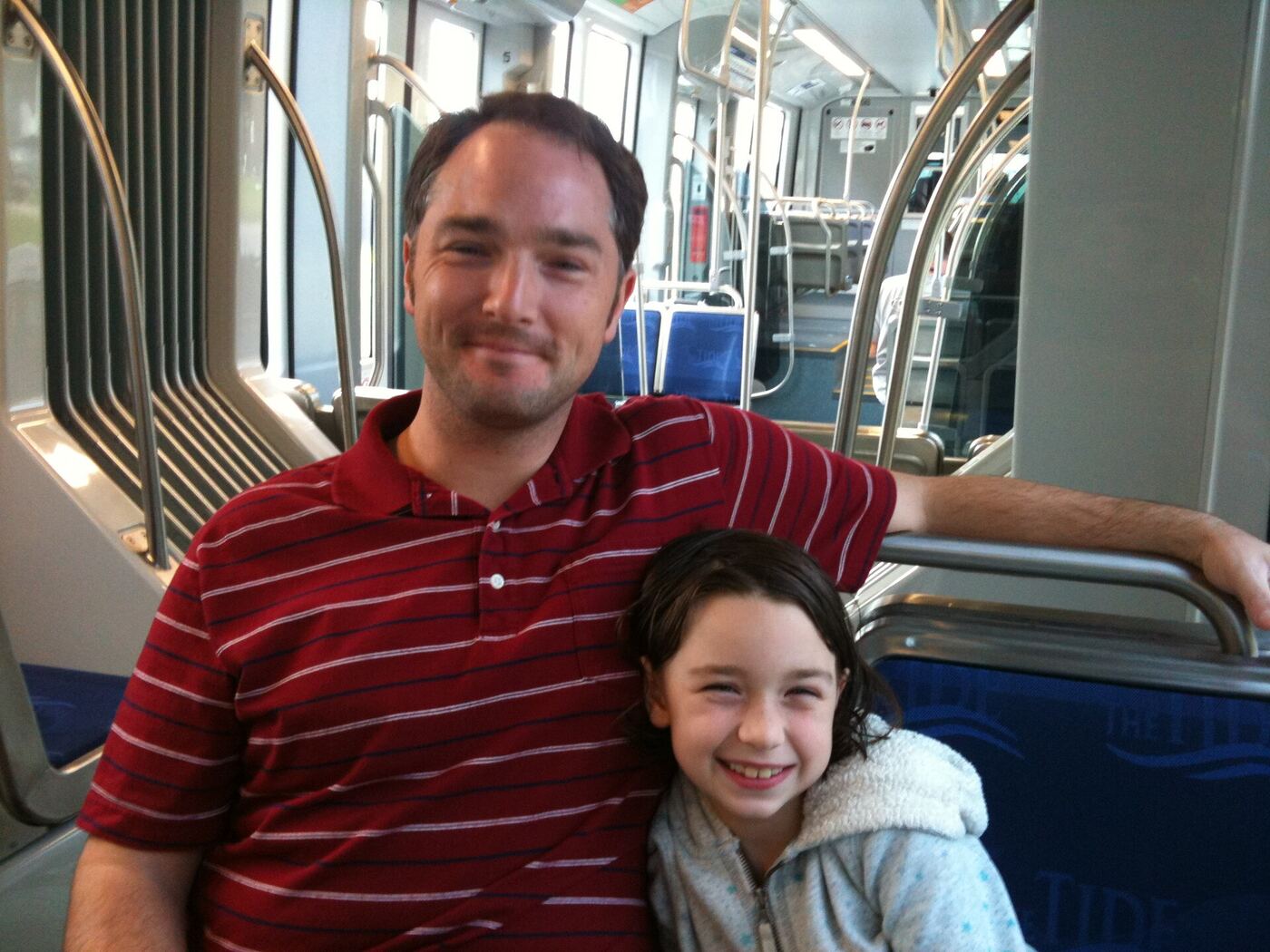
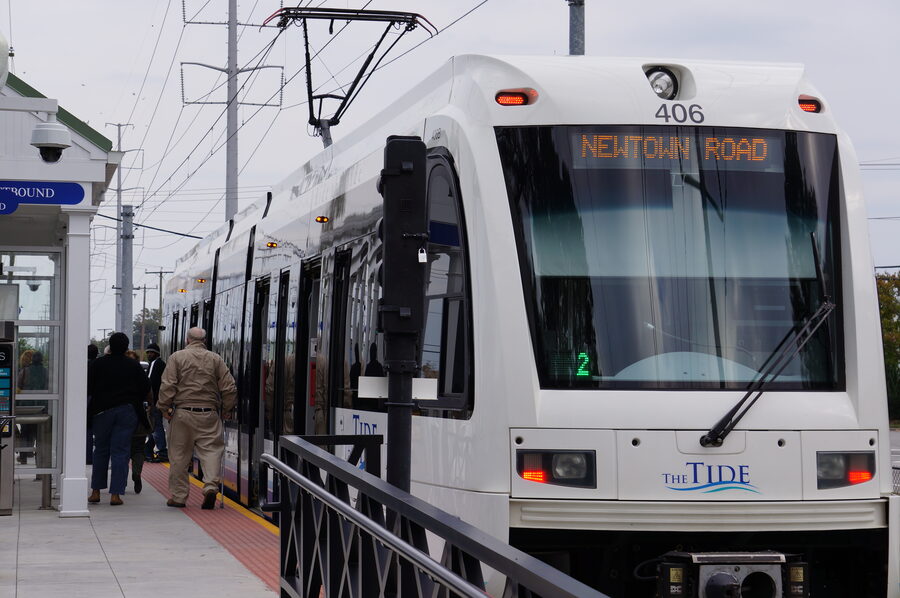
Riders board a Tide light rail train at Newtown Road in Norfolk.
Norfolk, VA Mike Steinhoff · CC BY 2.0
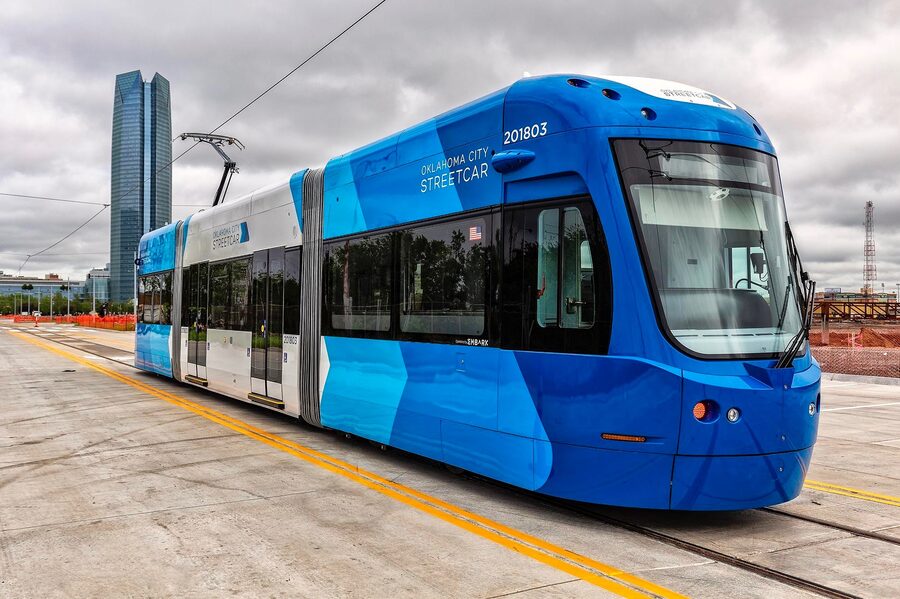
A blue Oklahoma City streetcar on Hudson Avenue.
Oklahoma City, OK Kool Cats Photography · CC BY 2.0
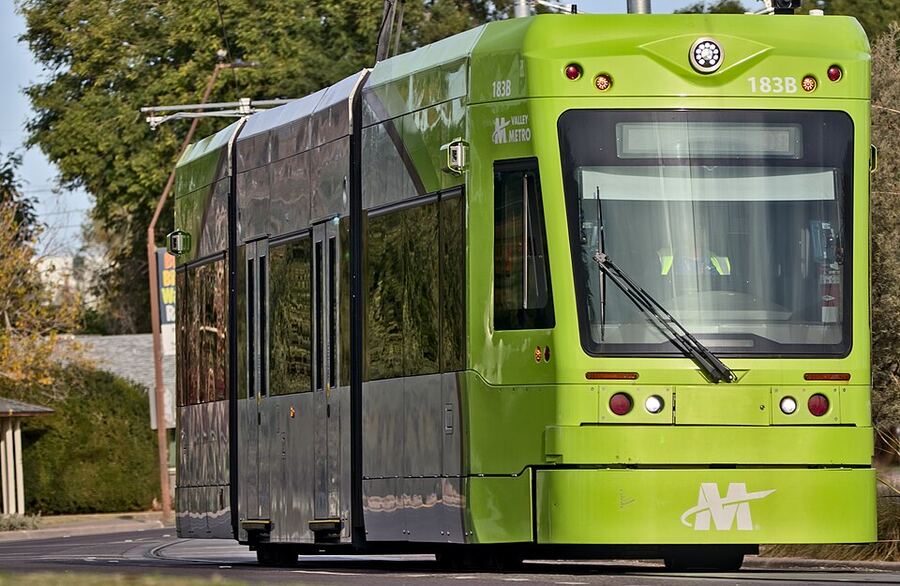
A bright green Tempe Streetcar.
Tempe, AZ Hunter Trick · CC BY-SA 4.0
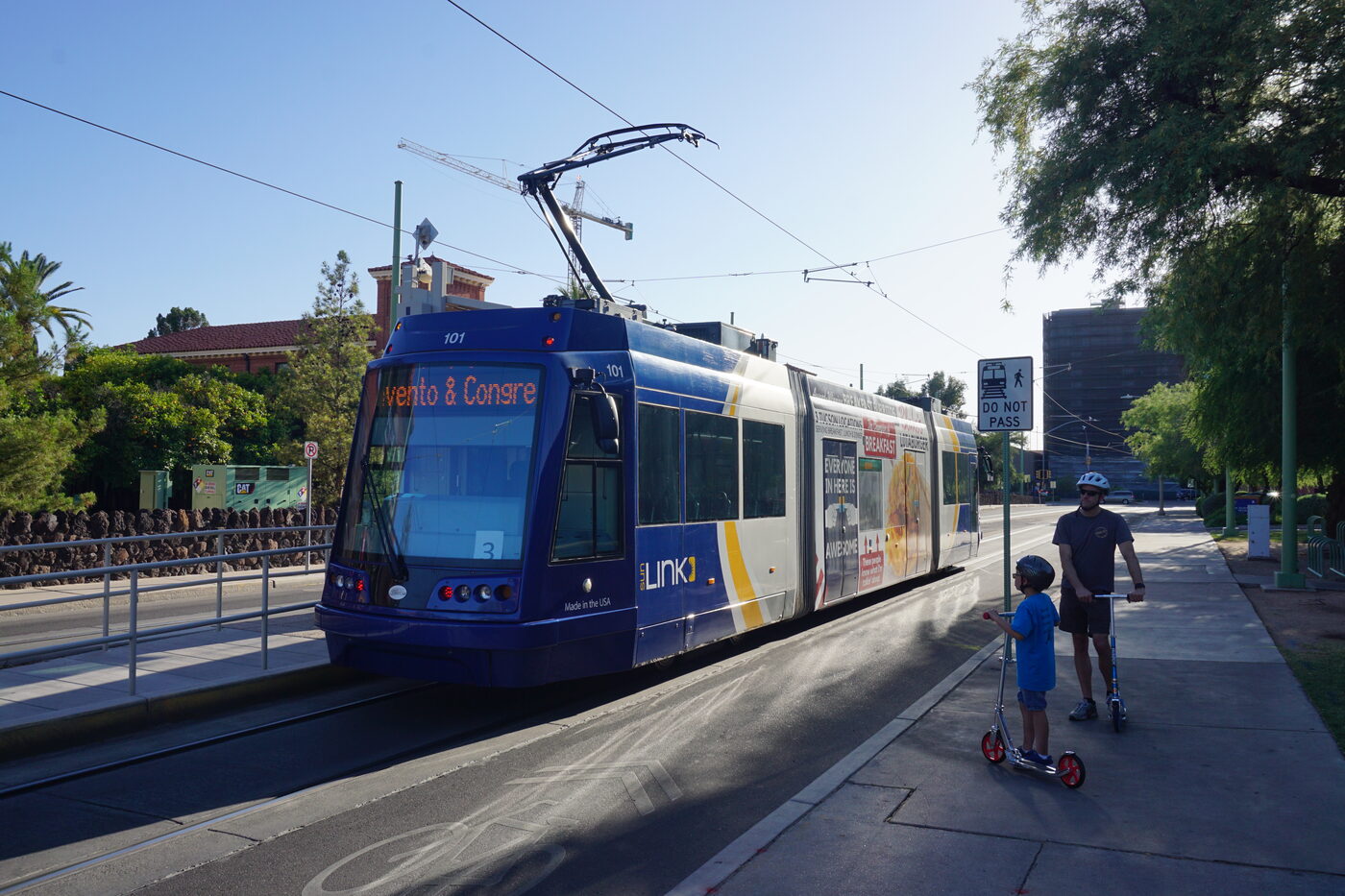
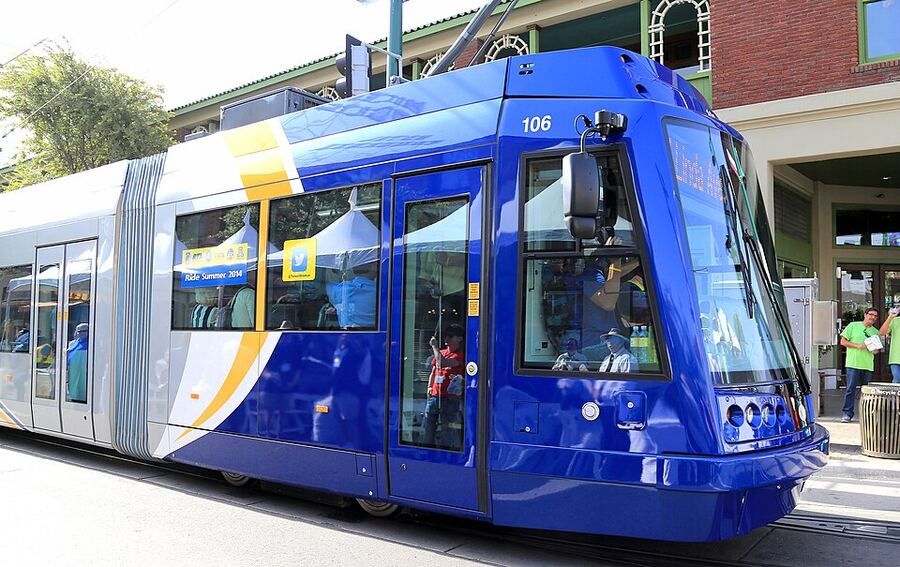
A blue Sun Link streetcar in Tucson.
Tucson, AZ Bill Morrow · CC BY 2.0
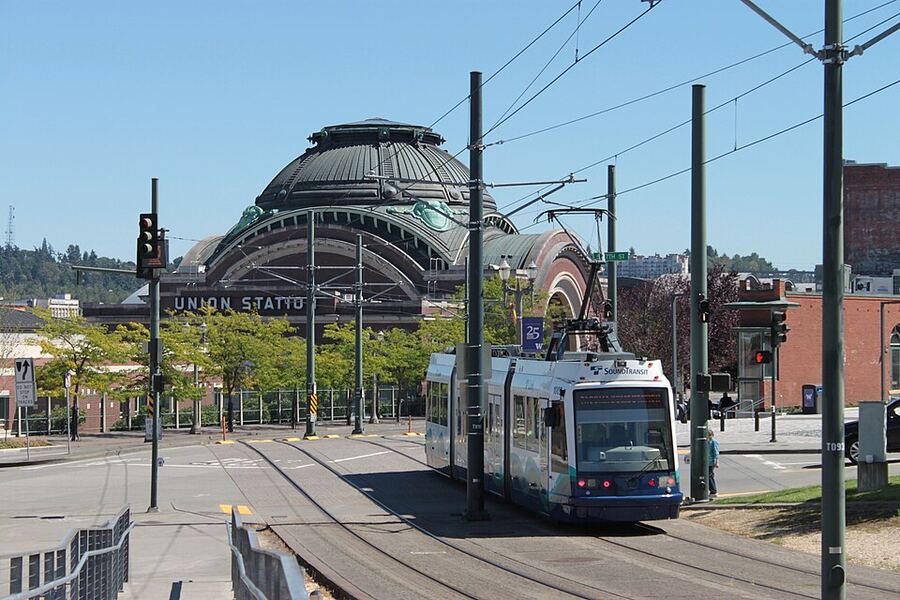
Tacoma Link light rail in front of the old Union Station.
Tacoma, WA Sounderbruce · CC BY-SA 3.0
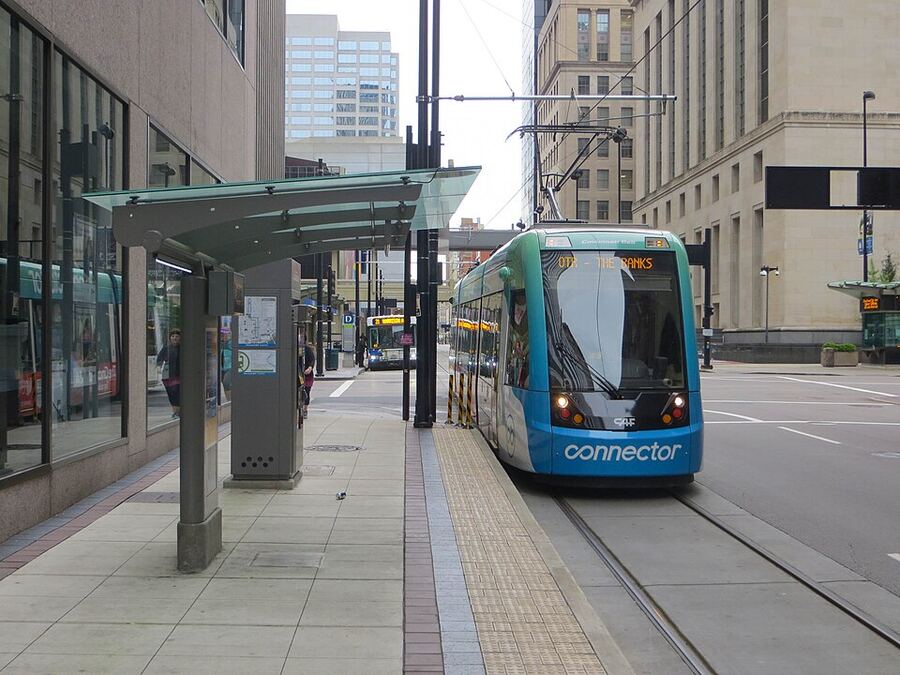
The Cincinnati Bell Connector streetcar arriving at Fountain Square.
Cincinnati, OH David Wilson · CC BY 2.0
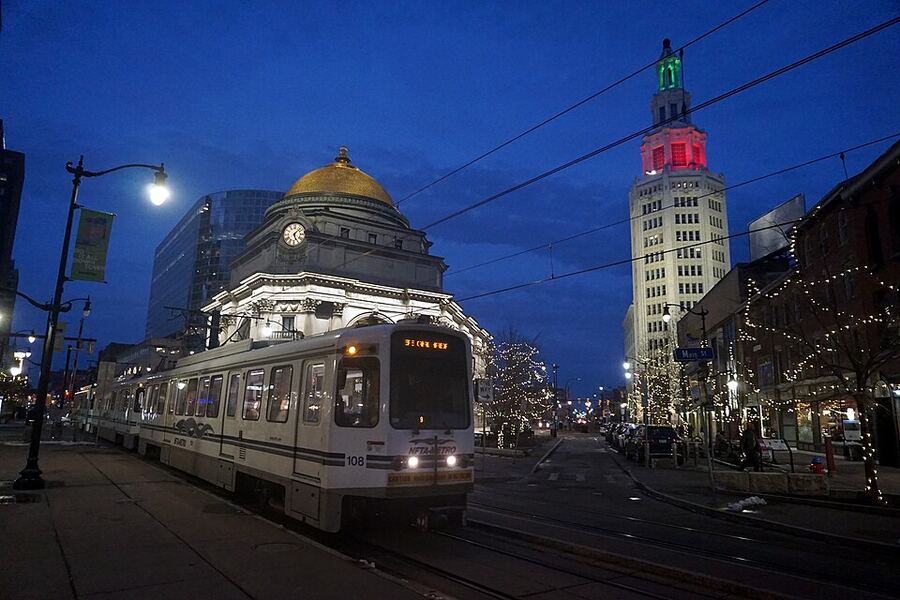
A Buffalo Metro Rail train on Main Street at dusk.
Buffalo, NY Michael Barera · CC BY-SA 4.0
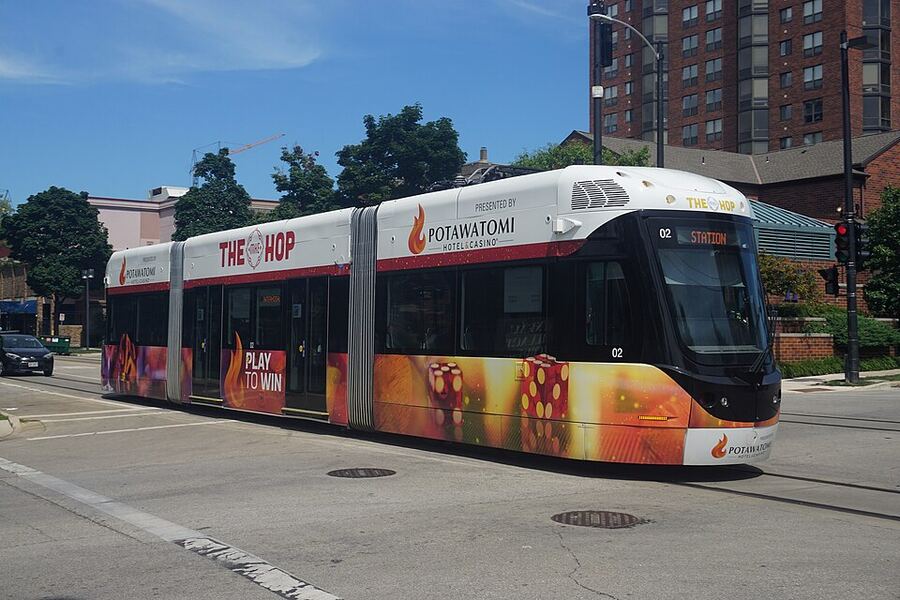
The Hop streetcar in Milwaukee.
Milwaukee, WI Michael Barera · CC BY-SA 4.0
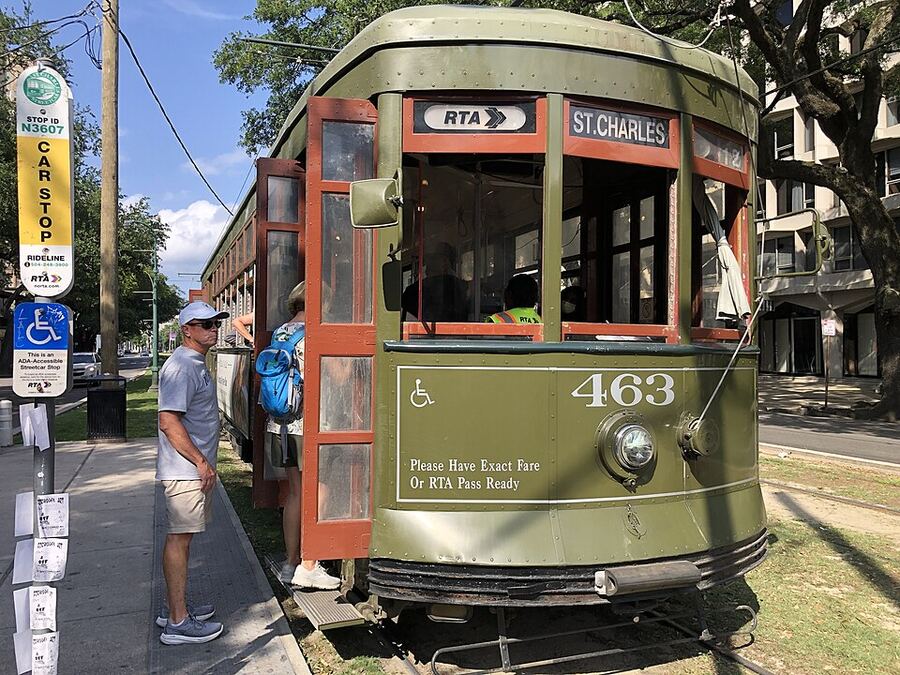
A green St. Charles streetcar in New Orleans.
New Orleans, LA Aaron Volkening · CC BY 4.0
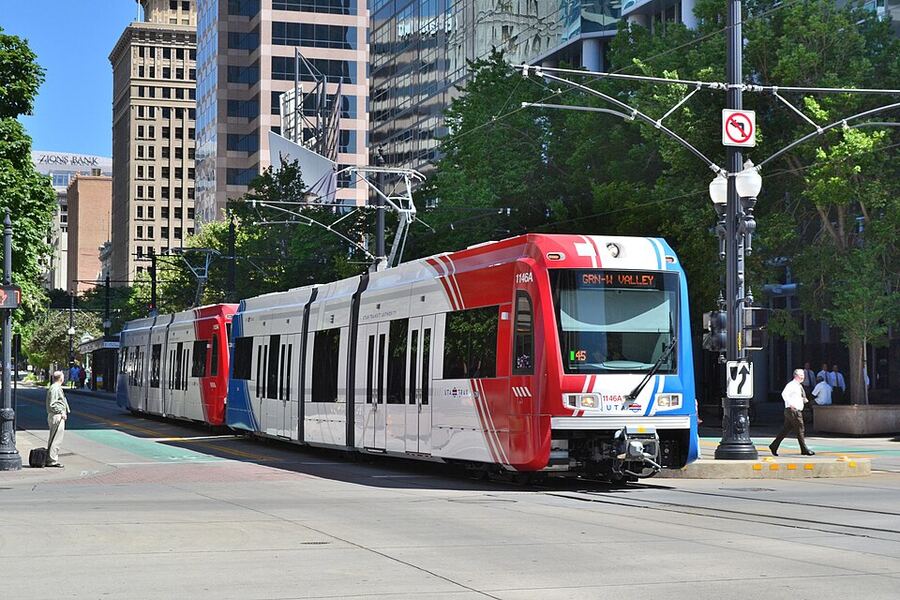
A UTA TRAX train at Gallivan Plaza in Salt Lake City.
Salt Lake City, UT Garrett · CC BY 2.0
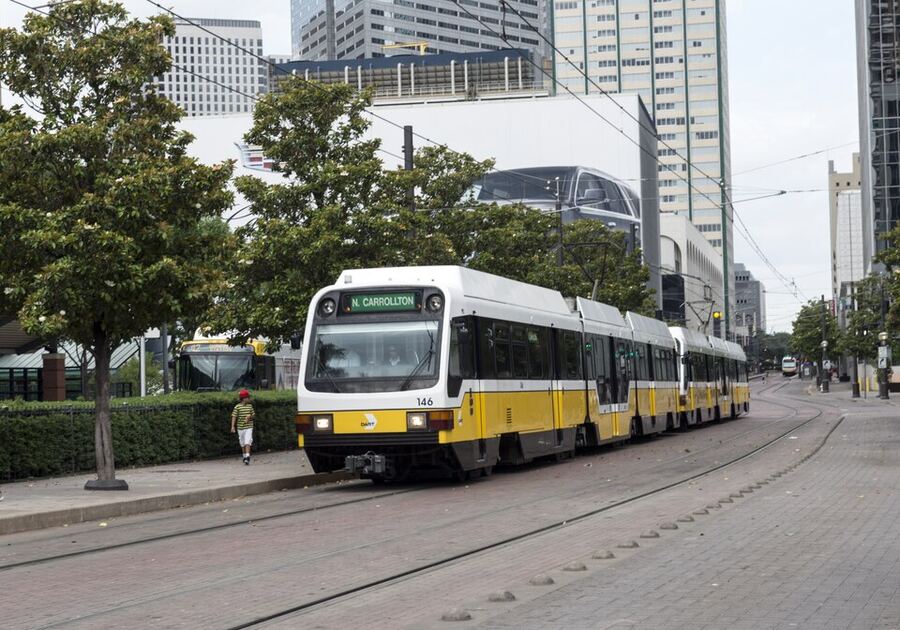
A DART light rail train in downtown Dallas.
Dallas, TX Carol M. Highsmith
KenoshaLittle RockEl PasoOklahoma CityTempeTucsonNorfolkTacomaPlanoGarlandIrvingCarrolltonMesaArvadaAuroraLakewoodSandyDraperMilwaukeeCincinnatiBuffaloKansas CitySt. LouisCharlotteNew OrleansSalt Lake CityDallasHoustonPhoenixDenverSacramentoPortlandSeattleSan Diego …and your town, next.

Your town

Every line started with a few stubborn neighbors.

Nobody at city hall will propose this for you. Here is how ordinary residents get a light rail line onto the agenda, and keep it there.

  1. Find five neighbors

    Movements start at kitchen tables, not conferences. Send this page to five people who complain about the loop, rent or their car payment. Start a group chat. Pick a name. "Tramform Temple" has a ring to it.

  2. Show up and speak

    Council and transit board meetings are mostly empty. Three minutes at the microphone from a resident with numbers beats a hundred consultant slides. Use the objections section as your script.

  3. Ask for the study

    Every line begins as an alternatives analysis. Ask your council to fund one, and ask your regional planning organization to put a rail corridor in the long-range plan. Paper first, then steel.

  4. Back candidates who back rail

    Local races are decided by a few hundred votes. Candidates have run for county office with a light rail line as their first issue, and explained plainly how it gets paid for without raising the property tax rate. Find that candidate in your town, or be them.

Take it with you

Let's tramform your town.

This page is the playbook: the numbers, the objections, how it gets paid for, and the four steps. Everything on it is sourced and free to reuse.

  • Send it to the five people who complain about the loop, the rent or the car payment.
  • Bring the objections section to your next council meeting.
  • Ask your council for the study. Paper first, then steel.

Photo: Tony Webster, CC BY-SA 2.0

Sources
  1. AAA, Your Driving Costs 2025: $11,577 per year, 15,000 miles, five-year ownership.
  2. Valley Metro / City of Phoenix: $20.1 billion in 583 developments within ½ mile of light rail; ~$4 billion system cost; 35,000 jobs in the first ten years.
  3. American Public Transportation Association, as cited by Maryland MTA: public transportation is 10 times safer per mile than automobile travel.
  4. ECONorthwest for Portland Streetcar Inc., Development Impacts: $4.5 billion within ¼ mile since 1998. Downtown Plano: City of Plano, Downtown Plano station-area redevelopment history (DART Red Line, opened 2002).
  5. Besser & Dannenberg (2005) and Le & Dannenberg (2020), National Household Travel Survey analysis: median 19–20 minutes of daily walking to and from transit.
  6. NHTSA, NHTSA Estimates 39,345 Traffic Fatalities in 2024 (early estimate, 2025). Rural roads carry a disproportionate share of deaths relative to population (NHTSA, Traffic Safety Facts, rural/urban comparison).
  7. APTA, Transit Savings Report 2023: average $13,218 per year.
  8. U.S. Bureau of Labor Statistics, Consumer Expenditures 2024: transportation 17.0% of household spending.
  9. Metropolitan Council, Green Line development, 2018: $5.8 billion; line cost $957 million, half federally funded. FTA, Capital Investment Grants program (New Starts, Small Starts, Core Capacity).
  10. Sound Transit: each two-car Link train carries about 400 passengers. Car equivalence assumes the U.S. average occupancy of roughly 1.5 people per vehicle.
  11. Katy Freeway: City Observatory, Reducing congestion: Katy didn't.
  12. Tax increment financing: U.S. DOT Build America Bureau, Denver Union Station (about $300 million in TIFIA and RRIF loans repaid from tax increment, RTD payments and development income; the TIFIA loan was repaid early in 2017); Council of Development Finance Agencies, TIF Resource Center. Property values near light rail: Lan, Ford & Palacin (2025), Sustainability, 4.4–8.3% uplift.
  13. Share of Americans who don't drive: Anna Zivarts, When Driving Is Not an Option (Island Press, 2024): roughly one in three, counting children, elders, people with disabilities and those who can't afford a car.
  14. Golden Gate Bridge Highway and Transportation District, Financing the Bridge: $35 million bond approved November 1930; final bond retired July 1971, paid entirely from tolls.
  15. Federal Highway Administration, Federal-Aid Highway Act of 1956 and the Highway Trust Fund.
  16. BART, A History of BART: $792 million bond approved by voters in Alameda, Contra Costa and San Francisco counties, November 1962.
  17. DART, DART History: created by voters in 1983 with a one-cent sales tax across 13 member cities; longest light rail system in the U.S. at 93 miles.
  18. RTD Denver, FasTracks: 0.4% sales tax approved by voters November 2004 for 122 miles of new rail and bus rapid transit.
  19. Texas Electric Railway, Dallas–Waco interurban: Wikipedia and Waco History; service ended December 31, 1948. Pacific Electric, Los Angeles, the largest electric interurban system in the world by route mileage: Wikipedia. National City Lines and the 1949 conviction (United States v. National City Lines, conspiracy to monopolize the sale of buses and supplies; acquitted of conspiring to monopolize transit itself), and the historians' debate: Wikipedia. On the national decline of streetcars by the late 1950s: Streetcars in North America.
  20. Parking requirements: Donald Shoup, "The Practice of Parking Requirements", APA Zoning Practice (2006), and Henry Grabar, Paved Paradise (2023): by the 1950s and 60s nearly every U.S. jurisdiction required parking with new buildings.
  21. Vacuum-tube train: The Architect's Newspaper, August 2013 coverage of the "Hyperloop Alpha" proposal, positioned against California's high-speed rail plan. Rail construction status: California High-Speed Rail Authority.
  22. Las Vegas tunnel: Las Vegas Convention Center Loop, opened June 2021; vehicles are driven by employees.
  23. Richmond Union Passenger Railway, 1888, the first large-scale electric streetcar system: Wikipedia.
  24. Flying car demonstration: Sarah Goodyear, "Falling With Style", The War on Cars, October 27, 2026.